


When school feels too much: understanding, recognising and supporting pupils with school anxiety
School should feel safe, predictable, and manageable. For most pupils, most of the time, it does. But for a growing number of children and teenagers,
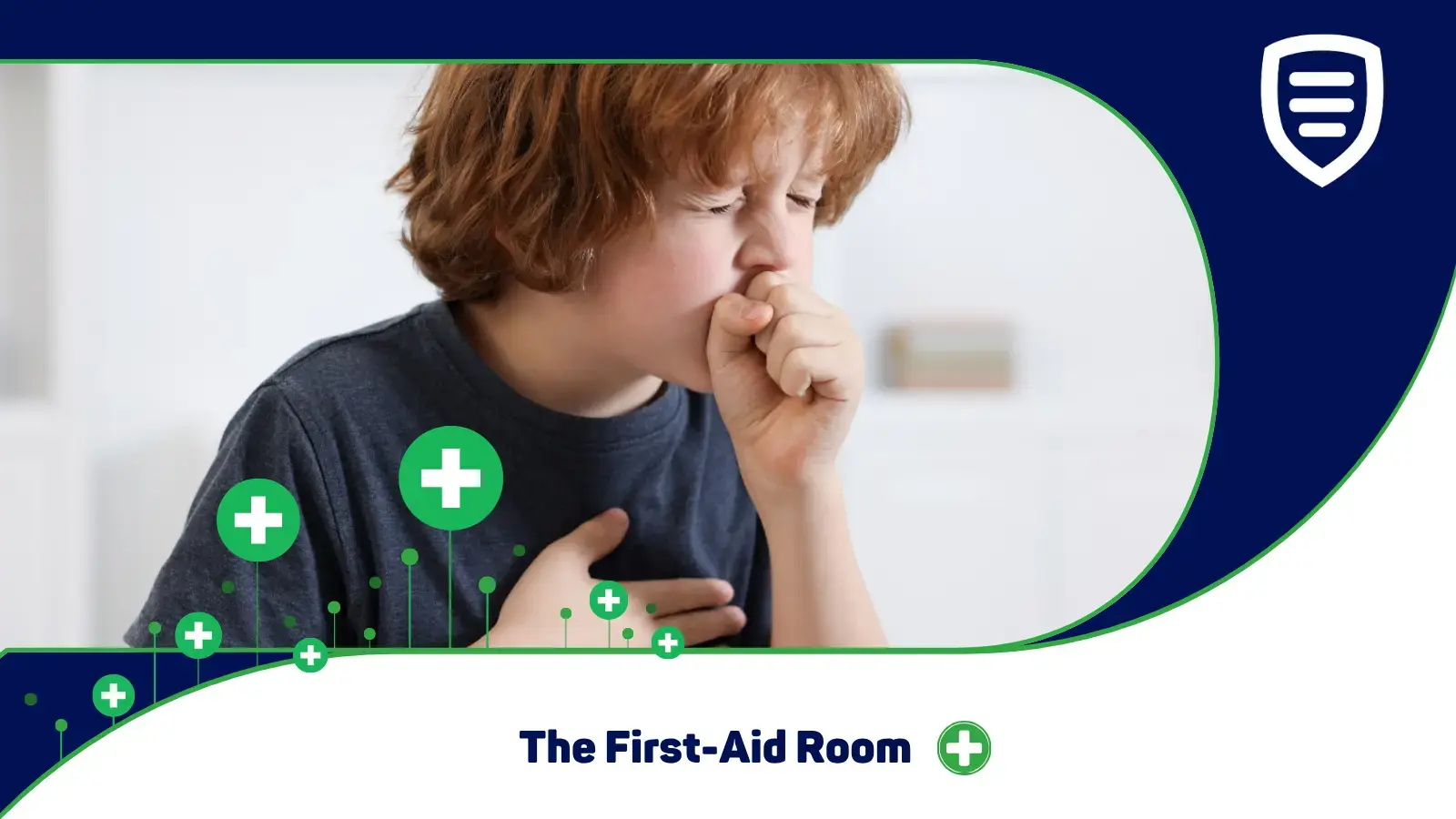
Spring is in full swing, and allergy season is on our minds! Recently, we’ve written extensively about allergic reactions, particularly in light of the government’s school allergy legislation, which comes into force in September 2026. As many allergies can also trigger asthma symptoms, spring can be a challenging time for students with asthma, especially in a classroom environment where triggers can be harder to control.
It’s important for teachers and staff to be aware of students who have asthma and understand how to respond in case of an emergency.
Asthma is a long-term chronic condition that affects adults and children alike.
In the UK, 7.2 million people have asthma (Asthma + Lung UK).
Asthma causes the inside walls of the lungs' airways to become inflamed, narrow, and swell up, often producing excess mucus. This can make breathing difficult, causing coughing, wheezing, and shortness of breath.
For some people, asthma symptoms may be mild, but for others it can be a major problem that interferes with daily life and may lead to a life-threatening asthma attack.
Symptoms of asthma include:
➡️ A persistent, dry cough
➡️ Wheezing (a whistling noise when breathing out), a common sign of asthma in children
➡️ A feeling of shortness of breath
➡️ A feeling of chest tightness or ‘squeezing’ in the chest
➡️ Trouble falling asleep due to wheezing, coughing, or shortness of breath
➡️ Coughing or wheezing attacks
➡️ Younger pupils may say their tummy is sore
Respiratory viruses, such as common colds or the flu, may exacerbate symptoms.
For some, asthma symptoms can worsen in certain situations:
Exercise-induced asthma: symptoms may flare up during physical activity, particularly in cold, dry air.
Environmental asthma: triggered by irritants such as chemical fumes, gases, or dust.
Allergy-induced asthma: caused by airborne allergens like pollen, mould spores, cockroach droppings, or pet dander.
Pollen:
In spring, one of the most common asthma triggers is pollen. Trees, flowers, and grasses release pollens that can enter classrooms through open windows, doors, or on clothing. Even brief exposure can trigger symptoms in sensitive children.
Dust and indoor allergens:
After the winter months, classrooms may accumulate dust, mould, or dust mites, especially in carpets, curtains, and soft furnishings. Spring cleaning can sometimes make this worse by stirring these particles into the air.
Physical activity:
With more outdoor sports and play, physical activity can increase in spring. While exercise is important, it can sometimes trigger asthma symptoms, particularly when combined with high pollen levels.
Changes in temperature:
The temperature change between indoor spaces and outdoors during physical activities or playtime can irritate the airways.
Cleaning products and fragrances:
Strong cleaning products, such as sprays, disinfectants, and air fresheners, as well as strong fragrances, can seem harmless but may be triggers for some children.
Children with asthma should not be exposed to their triggers. While such an approach is not always possible, and triggers are not always identified, asthma symptoms can be managed through a cohesive school-wide approach.
There are simple steps schools and teachers can take to minimise asthma triggers:
✅ Keep windows closed during high pollen days where possible
✅ Encourage regular handwashing and wiping down of surfaces
✅ Use fragrance-free and asthma-friendly cleaning products throughout the school
✅ Ensure classrooms are well ventilated
✅ Be mindful of classroom plants that may trigger symptoms
Some signs can indicate that asthma is worsening:
Asthma symptoms are more frequent and bothersome
Increasing difficulty breathing
The need to use a quick-relief inhaler more often
Give their reliever inhaler right away:
Give 1 to 2 puffs immediately (use a spacer if they have one).
If giving 2 puffs, give them one at a time.
Help them sit down and stay calm:
Encourage slow, steady breaths.
If they don’t get better:
For a blue reliever inhaler, give 1 puff every minute, up to 10 puffs.
For an anti-inflammatory reliever (AIR) or MART inhaler, give 1 puff every 1–3 minutes, up to 6 puffs.
Call 999 if they still don’t feel better.
Repeat if necessary:
If the ambulance hasn’t arrived within 10 minutes and they are still unwell, continue giving puffs as instructed in step 3 until help arrives.
Severe difficulty breathing, struggling to speak without pausing, gasping or choking
Severe chest pain that isn’t going away: the pupil may describe it as tightness, squeezing or pressure
Complains of pain in the arms, back, neck or jaw
Drowsiness
Pale, blue, grey skin or lips – on brown or black skin this may be easier to see on the palms of the hands
It’s important that staff are aware of which students have asthma and understand their individual triggers, if known. Children should always have access to their inhalers, and staff should know how to respond in case of an asthma attack.
Schools are not expected to diagnose asthma, but parents rely on teachers and school staff to communicate any healthcare issue that may arise while their child is at school.
Clear communication between parents and schools makes a big difference for children with asthma. Sharing asthma action plans, making Individual Healthcare Plans readily available to the relevant staff, and keeping up-to-date medications helps ensure a quick and effective response if symptoms occur.
School should feel safe, predictable, and manageable. For most pupils, most of the time, it does. But for a growing number of children and teenagers,
Welcome back everyone! September has a special energy to it. New faces, new classrooms, new routines... and a very long list of things to get done...
Last week, the Department for Education published new statutory guidance, Allergy Safety in Schools (July 2026).
For the first time, allergy safety...