

3 min read
Benedict’s Law: The new school allergy safety bill explained
Alex Oselton
Mar 10, 2026, 6:00:00 AM
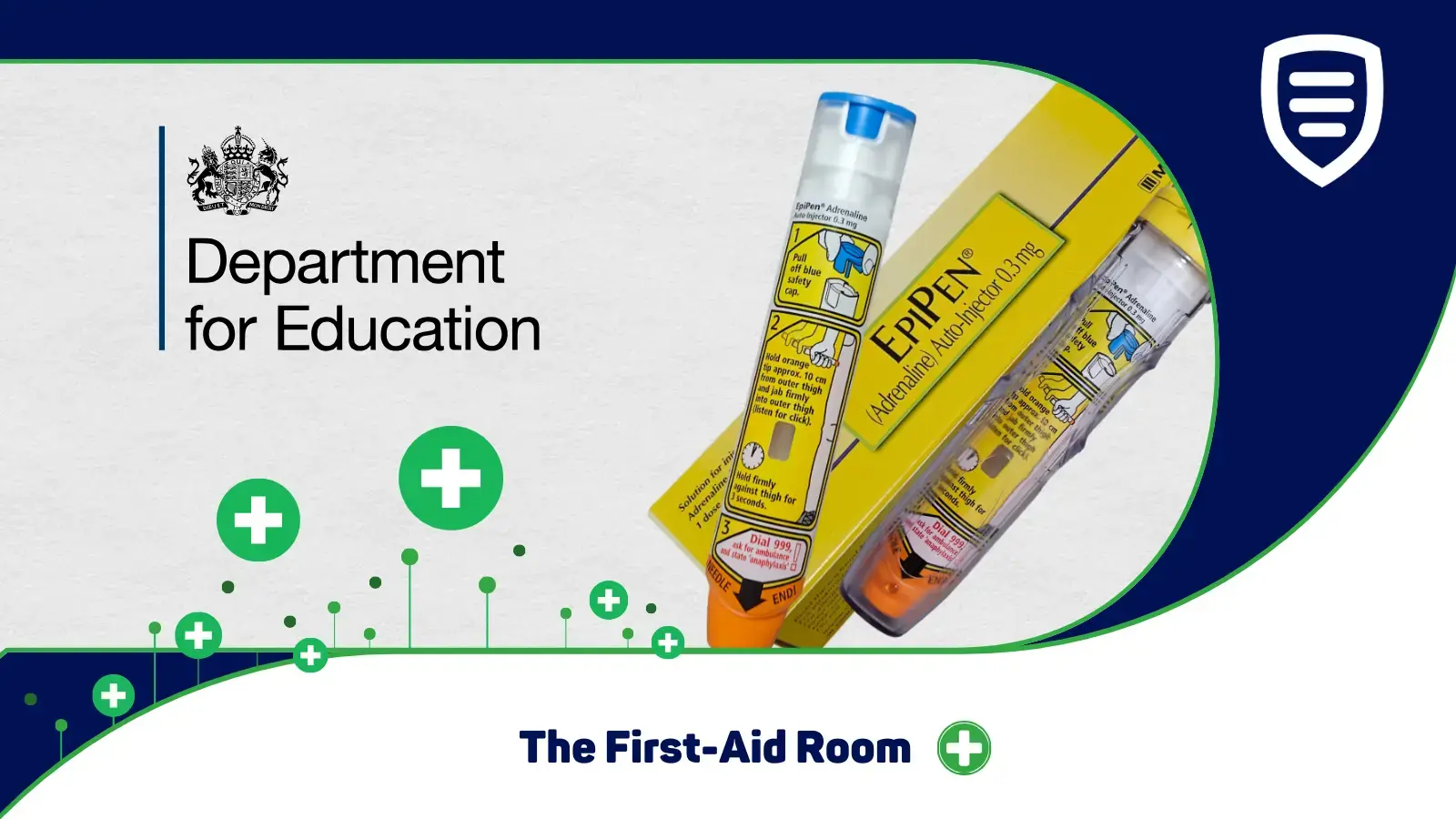
This week, we’re diving into the Department for Education’s (DfE) new statutory guidance on how schools should manage allergies. Announced last Wednesday, Benedict's Law received cross-party support and marks a major step forward for pupils with allergies. We’ve moved our newsletter schedule around to cover it.
The DfE's announcement follows four years of campaigning by the National Allergy Strategy Group, and the Benedict Blythe Foundation, established by the parents of Benedict Blythe, a five-year-old boy who tragically lost his life at school in Stamford, Lincolnshire, after suffering an anaphylactic shock in December 2021.
An inquest into Benedict’s death revealed that the school failed to consider his documented allergy when he was given cow’s milk and did not recognise the early symptoms of an allergic reaction in time.
In response to the Blythe family's tragic loss and the sustained campaign that followed, the DfE’s guidance sets out new expectations for schools on allergy management. It aims to ensure that every student with allergies receives consistent, confident care, from staff training to emergency response procedures.
Why this matters for schools
Allergies affect a significant number of pupils, and schools are one of the most common places where severe allergic reactions occur outside the home.
The new guidance means schools must move from informal processes to structured, auditable systems that support safe allergy management.
-
Research by the Benedict Blythe Foundation in 2024 showed that 70% of schools in England did not have the recommended allergy safeguards in place.
-
500,000 days of learning was lost last year due to allergy-related illnesses or medical appointments, according to the DfE.
-
There's been a 336% increase in the prescription rates of adrenaline auto-injector pens in the UK in the last 20 years.
In short, it matters for schools because it can save lives.
In the UK, 40% of children have been diagnosed with an allergy, and almost 1 in 12 young children suffer from a food allergy.
Anaphylaxis happens more in school than in any other setting outside the home in the UK.
Allergies don't discriminate. They can appear at any age and tolerance can change over time. And as they seem to become increasingly common, one day, you and your colleagues are bound to have to provide emergency care to a child having an allergic reaction.
Below, we break down the key points of the new regulation and what school staff need to know.
1. Allergy safety will become a statutory requirement
Schools will be expected to comply with new mandatory guidance on allergy management, rather than treating it as optional best practice. The guidance is expected to apply nationwide by September 2026.
What the change means for schools:
-
Allergy management becomes part of formal safeguarding and compliance.
-
Schools will need clear processes to demonstrate they are managing risk properly.
2. Schools must implement clear allergy policies
Schools will be expected to develop and maintain a robust, whole-school allergy and anaphylaxis policy.
This policy should cover:
-
Preventing allergen exposure
-
Managing allergic reactions
-
Emergency response procedures
-
Communication with staff and parents
Policies alone are not enough; schools will need clear systems to implement them day to day.
3. Individual allergy action plans must be in place
Pupils with severe allergies should have individual healthcare or allergy action plans so staff know how to respond in an emergency.
These plans should include:
-
Known allergens
-
Symptoms of reaction
-
Emergency treatment steps
-
Medication instructions
This means that staff need immediate access to these plans when an incident occurs.
4. Staff training will be expected
Schools will need to ensure staff receive training in allergy awareness and emergency response, including recognising symptoms of anaphylaxis and using adrenaline auto-injectors.
Training needs to be supported by systems that help staff:
-
Know which pupils have allergies.
-
Follow the correct procedure during incidents.
5. Access to emergency medication
Schools are expected to ensure access to emergency adrenaline auto-injectors and to have clear procedures for their use during an allergic reaction.
This means that emergency responses to allergic reactions must be quick, documented and reviewable.
How Medical Tracker can help
A digital, centralised record of pupils' health and medical needs
Medical Tracker enables schools to digitally record and monitor medical conditions, including allergies and anaphylaxis risks.
A centralised record helps ensure school staff are aware of pupils’ medical needs and can respond quickly in an emergency.
Clear, accessible medical and health records for school staff
An allergy emergency requires immediate action, so access to a pupil's up-to-date allergy information can help staff make informed decisions with confidence.
Medical Tracker can help ensure that students who suffer from allergies receive appropriate care and support while at school:
-
Keep up-to-date healthcare plans, which will required for all pupils with allergies under Benedict's Law
-
Share critical medical information with relevant staff, ensuring that staff can quickly check medical information and follow the correct procedure.
Streamline audit trails and strengthen allergy response procedures
Under Benedict’s Law, schools will be required to demonstrate that their staff are properly trained in managing allergies and responding to allergy emergencies. This includes spotting the warning signs of anaphylaxis and confidently administering adrenaline auto-injectors.
Medical Tracker helps schools stay compliant with these regulations and guidelines by making it easier to maintain accurate records and audit trails of allergy incidents.
By recording allergy-related incidents and near misses consistently, schools can review responses, identify patterns and risks, and improve procedures to better protect students, all while also maintaining the clear documentation needed for safeguarding and regulatory compliance.
Supporting resources
To help you and your colleagues prepare and navigate the new statutory requirements, we’ve created an easy-to-read, comprehensive document summarising the guidelines that will be introduced under Benedict’s Law: Benedict’s Law: School Allergy Safety Bill.
Search
Recent Posts
-
Beating the winter blues: recognising and supporting pupils with seasonal affective disorder (SAD)
20 October 2026
-
Sleep and school success: recognising when sleep is affecting learning and wellbeing
13 October 2026
-
Paint, plants and playdough: unexpected allergy triggers in schools
06 October 2026
-
Preparing and dealing with a medical emergency during a school trip
29 September 2026
-
From stomach bugs to IBS and IBD: managing digestive health in schools
22 September 2026
-
When school feels too much: understanding, recognising and supporting pupils with school anxiety
15 September 2026
Sleep and school success: recognising when sleep is affecting learning and wellbeing
Alex Oselton : Oct 13, 2026, 9:17:04 AM
Two Teas and a Digestive biscuit. What's your pre-sleep ritual?
Saturday, 10 October, was World Mental Health Day. I don't know about you, but when...
Paint, plants and playdough: unexpected allergy triggers in schools
Alex Oselton : Oct 6, 2026, 6:00:00 AM
When we think about allergies in general, food is often the first thing that comes to mind. And it makes sense – food-related allergy incidents...