


When school feels too much: understanding, recognising and supporting pupils with school anxiety
School should feel safe, predictable, and manageable. For most pupils, most of the time, it does. But for a growing number of children and teenagers,
2 min read
Alex Oselton
Feb 10, 2026, 6:00:00 AM
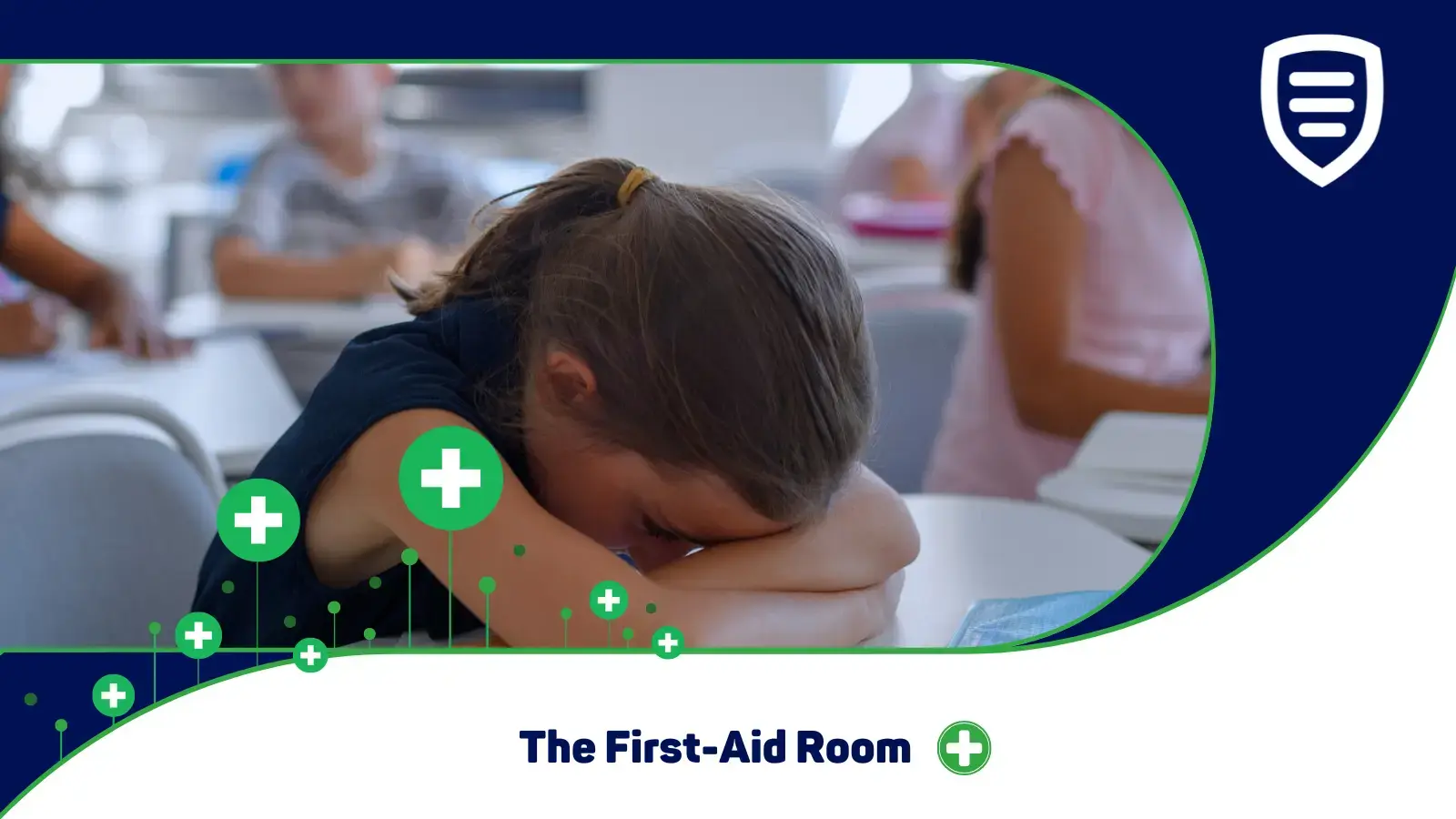
Headaches are common in all of us, but not all headaches are the same.
Coming in hot at number 10 on the pain scale, we’ve got a migraine. That’s not fun for anyone, and it can really knock you out (figuratively speaking). Coming in at number 1 can be a niggle headache solved with a glass of water, a meal or some fresh air. We can deal with them.
The range between these two can vary significantly.
In your school, staff may notice pupils regularly visiting the first-aid room, asking to lie down, or struggling with light, noise or concentration. These could be signs of migraines in school children, rather than everyday headaches.
Understanding the difference helps schools support pupils appropriately and communicate effectively with families.
A simple headache may be caused by dehydration, tiredness, stress or screen use. Migraines, however, are a neurological condition and can significantly impact a child’s learning and wellbeing.
➡️ Mild to moderate pain
➡️ Pressure or tightness
➡️ Often improves with rest or fluids
➡️ Moderate to severe head pain
➡️ Sensitivity to light, sound or smell
➡️ Nausea or vomiting
➡️ Visual disturbances (flashing lights or blurred vision)
➡️ Needing to lie down in a dark, quiet space
It’s easy to see the difference. Migraines can last from hours to days and may occur repeatedly.
Migraines don’t just cause pain — they can affect:
➡️ Attendance
➡️ Concentration and memory
➡️ Emotional wellbeing
➡️ Participation in lessons and activities
Pupils with migraines may appear withdrawn, tired or distressed, particularly during or after an episode.
Triggers vary between individuals but may include:
➡️ Stress or anxiety
➡️ Lack of sleep
➡️ Dehydration
➡️ Skipped meals
➡️ Bright lights or noise
➡️ Screen use
Schools don’t need to diagnose migraines, but recognising patterns can support appropriate next steps.
Schools play a supportive, not diagnostic, role.
Log headache or migraine-related visits to first aid. Repeated patterns may indicate a need for parental follow-up.
During an episode:
👉 Allow rest in a quiet, dimly lit area
👉 Encourage hydration (if appropriate)
👉 Avoid strong lights or noise
Follow the school’s health and medication policies at all times.
If migraines are suspected:
✅ Share observations, not diagnoses
✅ Highlight frequency or triggers noticed in school
✅ Encourage families to speak to their GP
Clear, factual communication builds trust.
For pupils with diagnosed migraines:
✅ Follow agreed healthcare or care plans
✅ Be mindful of known triggers
✅ Offer flexibility where possible during recovery
Schools should escalate concerns if a child:
➡️ Has very severe or worsening headaches.
➡️ Experiences headaches with fever, confusion or injury.
➡️ Has headaches that regularly disrupt learning.
In these cases, parents should be advised to seek medical advice.
The below resources can be shared through staff and parent newsletters or other school communication channels to raise awareness, support early recognition, and promote consistent, informed support for students.
School should feel safe, predictable, and manageable. For most pupils, most of the time, it does. But for a growing number of children and teenagers,
Welcome back everyone! September has a special energy to it. New faces, new classrooms, new routines... and a very long list of things to get done...
Last week, the Department for Education published new statutory guidance, Allergy Safety in Schools (July 2026).
For the first time, allergy safety...