


2 min read
Flu season in schools: Our tips on advising parents on vaccination without overstepping
Alex Oselton
Jan 27, 2026, 6:00:00 AM
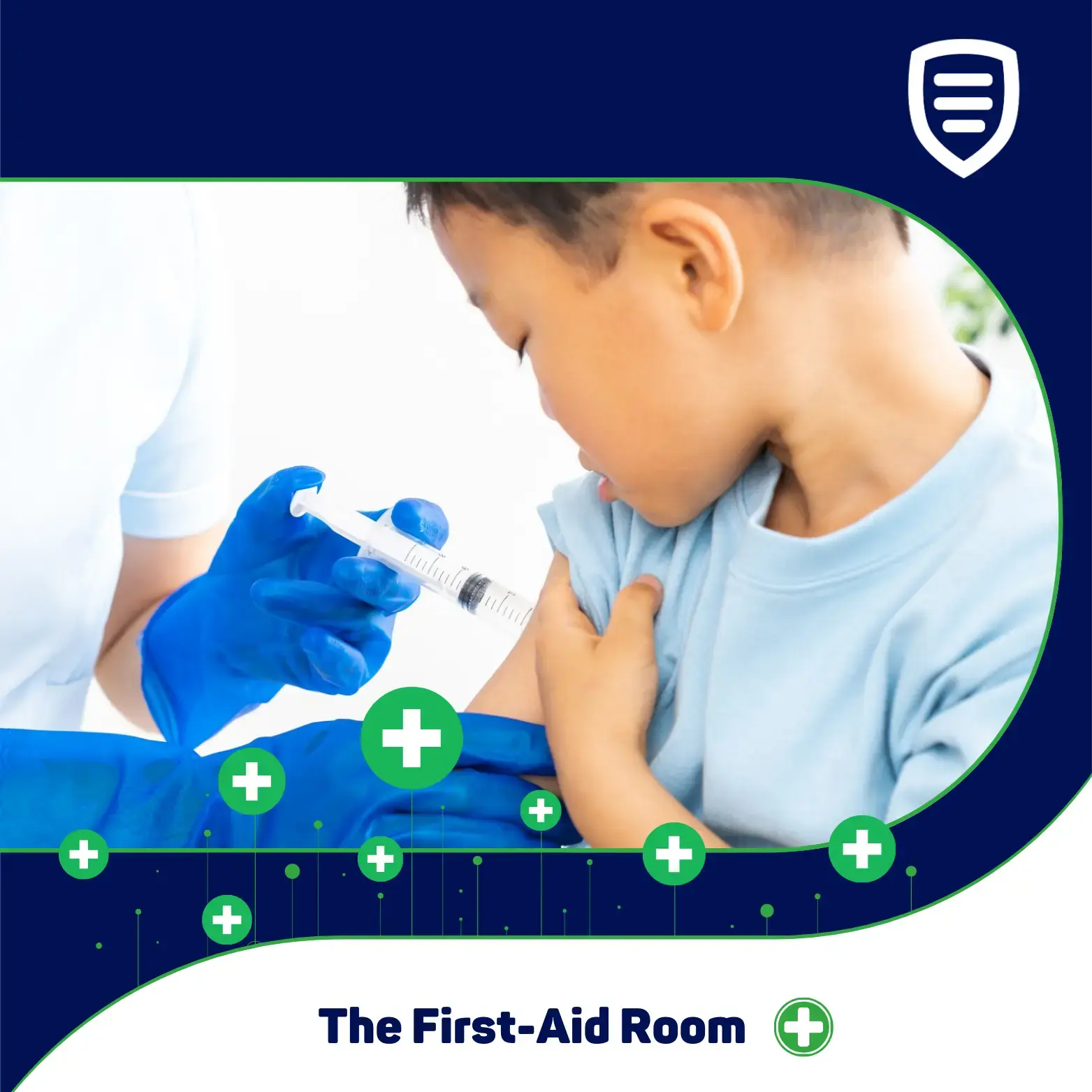
We seem to have seen the tail end of the flu season now. Well, now we’ve said it, of course it can’t be true!
While we’re well aware your school won’t give medical advice, it does play an important role in sharing accurate information and supporting calm, informed conversations with families.
So how can schools provide school flu vaccination advice without crossing professional boundaries? The key lies in clarity, neutrality and signposting.
Understanding your role as a school
Schools are not responsible for recommending or administering flu vaccinations (unless hosting a school nursing session). However, schools are trusted sources of information, and parents often turn to staff with questions.
This approach supports parent vaccine conversations in school while keeping boundaries clear.
Why flu vaccination often comes up in schools
The flu jab is offered annually because flu viruses change each year. For children, flu can cause all sorts of nasty side effects:
➡️ High fevers
➡️ Severe fatigue
➡️ Chest infections
➡️ Missed learning due to prolonged absence
How to talk to parents about the flu jab (appropriately)
Okay, we all take a deep inhale. We know this can be a source of tension between the school and the parent/carer.
Here are practical ways schools can approach conversations about the flu jab for children in the UK, without overstepping.
1. Stick to facts, not opinions
Use neutral, evidence-based language:
-
“The flu vaccine is offered every year to help protect children during flu season.”
-
“Families can speak to their GP or school nurse if they have questions.”
-
Avoid expressing personal views or making recommendations.
2. Signpost, don’t advise
When parents ask questions, it’s okay to say:
“That’s something a GP or school nurse would be best placed to advise on.”
Providing links to NHS guidance or contact details for local school nursing teams keeps responsibility where it belongs.
3. Be clear during school-based vaccination programmes
If your school hosts flu vaccination sessions:
✅ Share dates well in advance
✅ Explain the consent process clearly
✅ Reassure parents that participation is optional
✅ Let parents know who is delivering the vaccinations
4. Keep messaging calm during outbreaks
If flu is circulating in school:
-
Share factual updates without naming individuals. Again, your dashboards and reports on Medical Tracker could be huge here. You could give daily or weekly updates to ensure parents have a clear view. This could also benefit attendance rates.
-
Reinforce hygiene measures (handwashing, staying home when unwell)
-
Avoid implying blame or linking illness to vaccination status
This helps maintain trust and avoids unnecessary concern.
5. Support staff with clear guidance
Staff confidence matters. Make sure colleagues know:
-
What they can and can’t say
-
Where to direct questions
-
How to escalate concerns appropriately
Consistent messaging prevents mixed signals and protects staff boundaries.
Building trust through transparency
Parents value honesty and clarity. By sharing reliable information, acknowledging questions, and signposting appropriately, schools can support public health efforts without stepping into medical territory.
Handled well, school flu vaccination advice becomes about empowering families — not persuading them.
Resources for schools
Here are some resources designed to support your team in communicating with parents about flu season and vaccination in a clear and appropriate way. Feel free to use them in staff and parent newsletters or other communications.
- School Vaccination Awareness Checklist
-
Staff quick guide: Talking to parents/carers about flu vaccination
-
Parent information: Flu season in school – what parents need to know
- Understanding childhood vaccination: a simple guide for families
Search
Recent Posts
-
Beating the winter blues: recognising and supporting pupils with seasonal affective disorder (SAD)
20 October 2026
-
Sleep and school success: recognising when sleep is affecting learning and wellbeing
13 October 2026
-
Paint, plants and playdough: unexpected allergy triggers in schools
06 October 2026
-
Preparing and dealing with a medical emergency during a school trip
29 September 2026
-
From stomach bugs to IBS and IBD: managing digestive health in schools
22 September 2026
-
When school feels too much: understanding, recognising and supporting pupils with school anxiety
15 September 2026
Sleep and school success: recognising when sleep is affecting learning and wellbeing
Alex Oselton : Oct 13, 2026, 9:17:04 AM
Two Teas and a Digestive biscuit. What's your pre-sleep ritual?
Saturday, 10 October, was World Mental Health Day. I don't know about you, but when...
Paint, plants and playdough: unexpected allergy triggers in schools
Alex Oselton : Oct 6, 2026, 6:00:00 AM
When we think about allergies in general, food is often the first thing that comes to mind. And it makes sense – food-related allergy incidents...