


2 min read
Autism and sensory overload: Supporting our classroom colleagues with scientific tactics
Alex Oselton
Feb 24, 2026, 6:00:00 AM
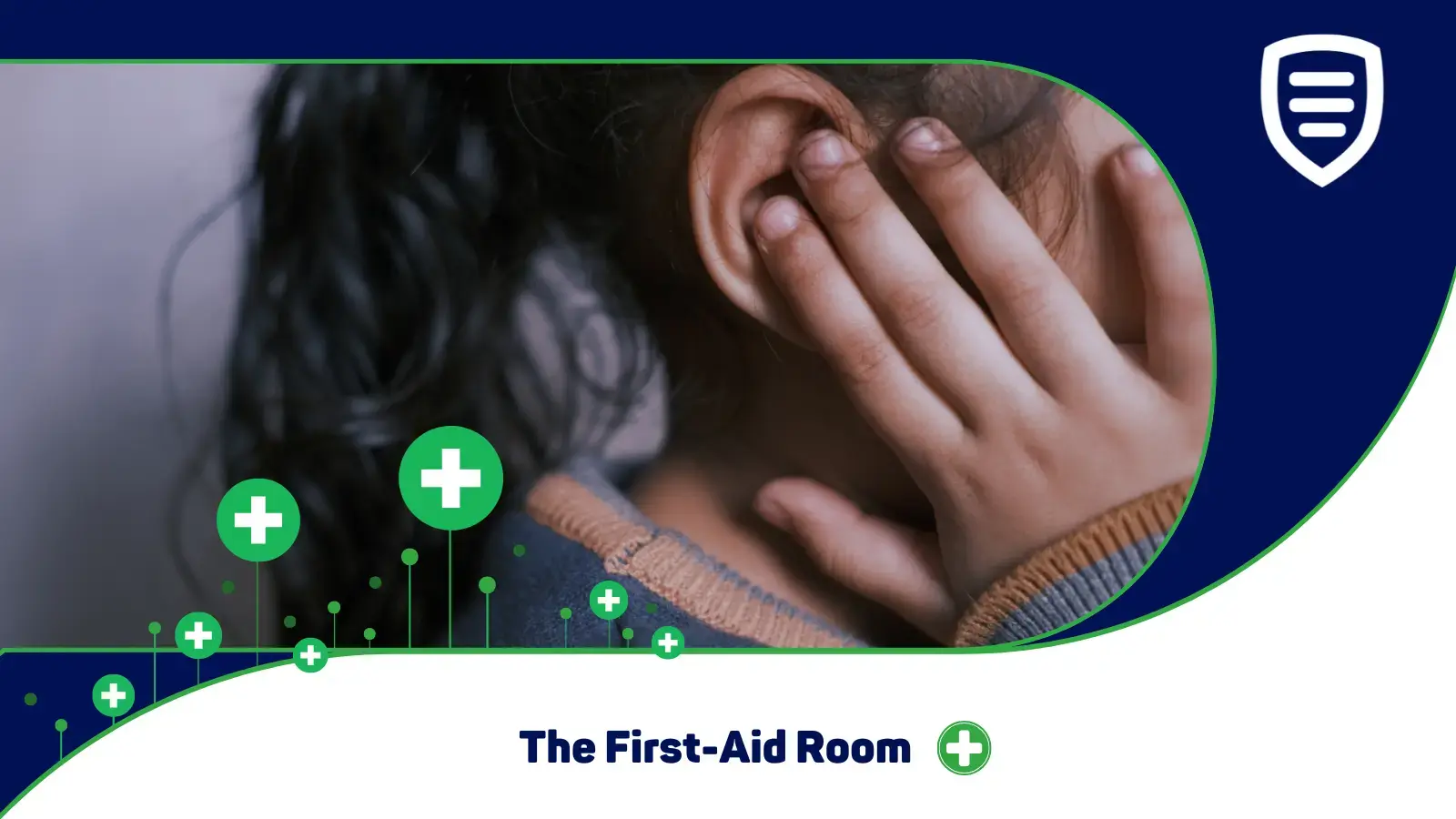
Classrooms are busy, noisy and visually stimulating places; they’re very unique, really.
In the context of this blog, we understand the impact that such a unique setting can have.
For autistic children, sensory overload is a common and very real challenge that can affect learning, behaviour and emotional wellbeing.
At times, it may feel for some classroom colleagues that once the overload has taken place, it can be nearly impossible to reverse that impact within 45-60 minutes AND manage to continue teaching.
Understanding why sensory overload happens and how to reduce it helps you better support autistic pupils and the staff working with them every day.
Is it simply a case of loud noises, other disruptive children, irregular lesson structures, unpleasant smells, or extreme weather events, or is it something more nuanced? Let’s dive in.
What is sensory overload?
Sensory overload occurs when the brain receives more sensory information than it can comfortably process. Autistic pupils may experience heightened sensitivity to:
➡️ Sound
➡️ Light
➡️ Touch
➡️ Smell
➡️ Movement
How sensory overload can present in school
If we’re honest, it’s complicated to categorically nail something like this to the mast with any degree of certainty. Sensory overload is highly dependent on several external factors that converge simultaneously.
Therefore, instead of figuring out the cause of the overload and reducing it, it may be easier to understand how sensory overload presents itself and equip yourself and your colleagues with the awareness to remedy it faster in real time.
After all, sensory overload could often be mistaken for general misbehaviour or deliberate disruptive behaviour (particularly for children with a condition such as autism that has previously gone undiagnosed).
Signs of sensory overload vary between pupils and may include:
➡️ Covering ears or eyes
➡️ Becoming withdrawn or distressed
➡️ Difficulty following instructions
➡️ Increased anxiety or agitation
➡️ Meltdowns or shutdowns
These responses are not behavioural choices; they are physiological responses to overwhelm.
The science behind supportive strategies
Research shows that reducing sensory load and increasing predictability helps regulate the nervous system.
Minor, intentional adjustments can significantly improve a pupil’s ability to engage and learn.
Practical, evidence-based tactics schools can use
1. Reduce sensory input where possible
👉 Dim harsh lighting or use lamps
👉 Minimise visual clutter on walls
👉 Allow ear defenders or noise-reducing headphones
These changes reduce cognitive load and improve focus.
2. Increase predictability
👉 Use visual timetables
👉 Give advance warning of changes.
👉 Clearly signal transitions
Predictability helps the brain feel safe and regulated.
3. Offer movement and regulation breaks
Short, planned breaks can help reset sensory systems:
👉 Stretching
👉 Quiet walks
👉 Calm movement activities
These should be proactive, not reactive.
4. Create safe, low-stimulus spaces
A calm corner or quiet room allows pupils to regulate before overload escalates. This is not avoidance, it’s prevention.
5. Respond calmly during overload
If a pupil becomes overwhelmed:
👉 Reduce language
👉 Lower noise and demands
👉 Allow time and space
Regulation must come before learning.
Supporting classroom colleagues
Consistency across staff is key. When teachers, teaching assistants, support staff, and healthcare staff share an understanding of sensory overload, pupils receive clearer, calmer support.
Supporting resources
Search
Recent Posts
-
The First-Aid Room and St John Ambulance: Conversation with Lisa Sharman, Head of Education Quality and Commercial Training
17 November 2026
-
Keeping winter bugs at bay: Preventing the spread of seasonal illnesses
10 November 2026
-
Supporting pupils with hearing loss: A practical guide for schools
03 November 2026
-
Beating the winter blues: recognising and supporting pupils with seasonal affective disorder (SAD)
20 October 2026
-
Sleep and school success: recognising when sleep is affecting learning and wellbeing
13 October 2026
-
Paint, plants and playdough: unexpected allergy triggers in schools
06 October 2026