


Sleep and school success: recognising when sleep is affecting learning and wellbeing
Two Teas and a Digestive biscuit. What's your pre-sleep ritual?
Saturday, 10 October, was World Mental Health Day. I don't know about you, but when...
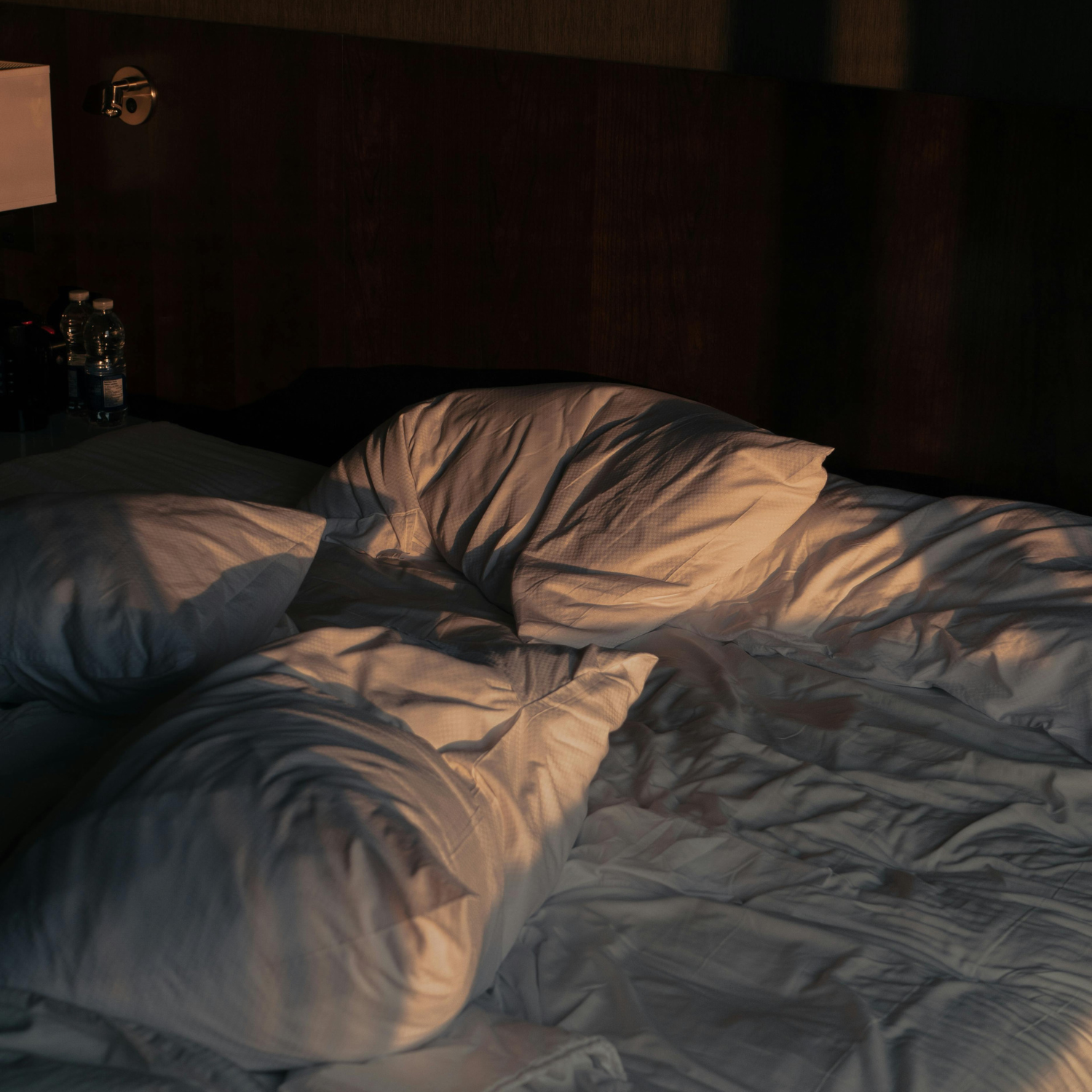
Saturday, 10 October, was World Mental Health Day. I don't know about you, but when I have a day that reminds me I'm not superhuman, my first thought is, "Get me home and get me to sleep".
Nothing can stop me from diving headfirst into bed once tea has been cooked, two Yorkshire Teas have been drunk, and a packet of digestives has been shown some love.
As adults, I think we probably need to remind ourselves more that poor sleep can affect mood and emotional well-being, while worries can make it harder to rest. If this resonates, imagine what it's like for our kids.
Now, this week's First-Aid Room is not an edition about mental health, but the intrinsic relationship between quality sleep and mental health is the cause of significant underperformance at school for our kids.
A pupil who can’t concentrate, seems irritable, or drifts off in lessons might just be having a bad day. But when it becomes a pattern, sleep may be part of the story. Staff aren’t expected to diagnose sleep problems, but noticing the signs can help pupils get the right support.
Here are some initial tips to look for:
Tiredness doesn’t always look like tiredness. Staff might notice:
Difficulty concentrating or following instructions
Mood changes, such as irritability or frustration
Restlessness rather than sleepiness
Withdrawal or reduced engagement
Lateness or difficult mornings
.png?width=799&height=200&name=Top%20Tip%20These%20are%20all%20symtoms%20of%20so%20many%20different%20ailments%20and%20challenges!%20%20(3).png)
NHS-linked guidance from Newcastle-Upon-Tyne NHS Hospitals Foundation Trust suggests:
- Children aged between 6 and 13 need around 9–12 hours of sleep per night.
- Teenagers aged 13–18 need around 8–10 hours a night.
However, it must be said that needs vary, and time in bed isn’t the same as time asleep. The Sleep Charity lists hyperactivity and irritability among the possible effects of sleep deprivation in children, which means tiredness can easily be mistaken for poor behaviour or low motivation.
These signs can also point to anxiety, illness or other pressures, so look for patterns over time rather than drawing conclusions from one lesson.
There’s rarely one cause. Common factors include:
Late-night screen use
Worries about school or friendships
Changes in routine
Some health conditions, medications or neurodevelopmental differences.
Families may also face practical barriers, such as shift work or shared bedrooms.
As with many healthcare and medical concerns in schools, there is no one-size-fits-all. When we have our concerns for students, the first port of call is to look for evidence.
If you're reading this as a non-teaching member of staff, your access to real-time data or testimony from lessons might take a while to get to you, or you may have to source it yourself from colleagues in the staffroom - not ideal or standard.
If you're using Medical Tracker, you'll start to see big wins fast.
As always, follow your school’s pastoral and safeguarding procedures if a concern arises.
If a child regularly struggles to fall or stay asleep, is very sleepy during the day, or snores loudly with pauses in breathing or gasping, families should speak to their GP.
A tired or distracted pupil may be dealing with poor sleep, or something else entirely. Noticing changes, asking thoughtful questions, and working with families are the best places to start.