


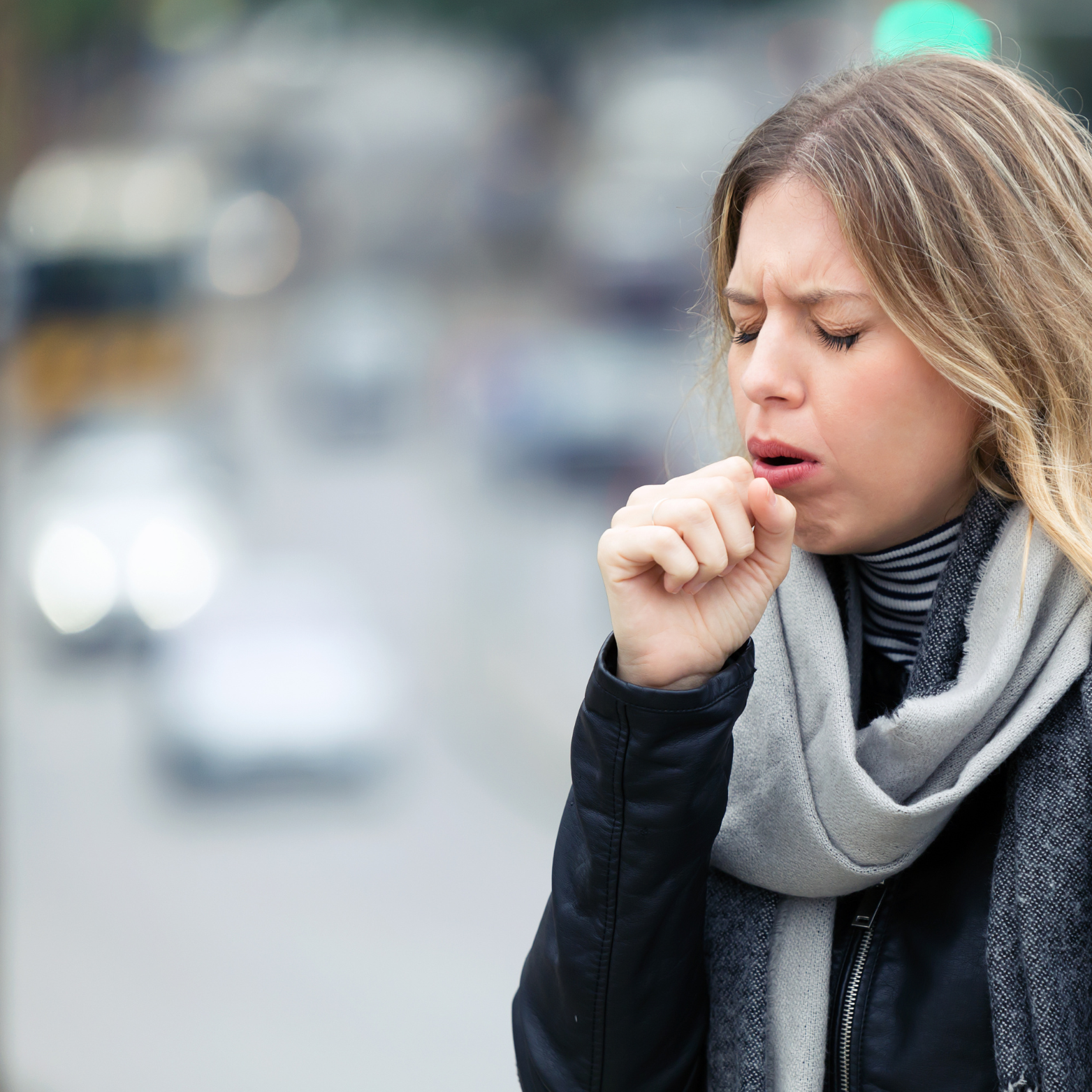
Beating the winter bug seems like a race we're all on the starting line for, but rarely make the finish line unscathed. A little bit of an admission at the start of this issue: do you think there is anything more that can be added to the topic of keeping winter bugs at bay?...
Let's find out! Let's start with some interesting data first of all.
Last week, the DfE posted their latest fortnightly attendance data covering this term up to 23 October:
-
Overall absence was 7.01% in the week before October half term, up from 4.62% in the first week of term.
- Illness accounted for much of that increase, rising from 1.73% to 3.27% of possible sessions over the same period.
- Absence across the term so far is 5.69%.
There is one caveat to this data: it’s weekly, so the “rising” figures partly reflect normal autumn illness patterns. It's very fair to say illness is driving up absence this term, but not that it’s worse than in previous years, without comparing like-for-like weeks.
The topic of this issue, beating the winter bug, certainly affects all of us.
Every school knows the pattern. The weeks get colder, classrooms get stuffier, and absence starts to climb.
This term’s data shows exactly that. You can’t stop every bug, but simple, consistent habits can make a real difference.
Back to basics: Hand hygiene
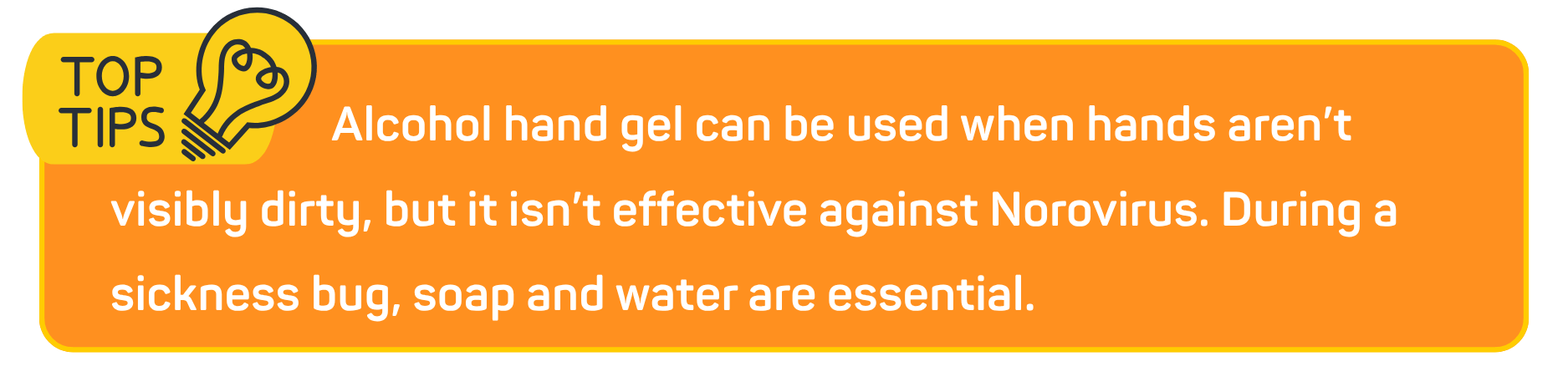
UKHSA describes hand hygiene as one of the most important ways of controlling the spread of infections, especially those that cause diarrhoea, vomiting and respiratory illness.
Its guidance for schools recommends:
- Liquid soap, warm water and paper towels, rather than bar soap.
- Handwashing after using the toilet, before eating, after playtime and after touching animals
Catch it, bin it, clean it
To reduce the spread of coughs and colds, UKHSA advises encouraging pupils and staff to:
- Cover their nose and mouth with a tissue, then bin it and clean their hands.
- Cough or sneeze into their elbow if there’s no tissue.
- Keep hands away from their eyes, nose and mouth.
UKHSA’s free e-Bug resources, developed with teachers for ages 3 to 16, can help pupils understand why these habits matter.
Let the fresh air in
UKHSA notes that letting fresh air into indoor spaces can help dilute air containing viral particles and reduce the spread of respiratory infections. Opening windows briefly between lessons can help, even in colder weather. Schools that received CO2 monitors from the DfE can use them to check how well-ventilated their rooms are.
Keep it clean
UKHSA advises that cleaning with detergent and water is normally sufficient, with regular attention to frequently touched surfaces such as door handles, taps, and shared equipment.
Know when pupils should stay at home
Clear, consistent messages to families help prevent both unnecessary absence and the spread of illness. UKHSA’s current guidance includes:
- Coughs, colds, and respiratory infections: pupils can attend if they have mild symptoms, but should stay home if they have more severe symptoms, such as a high temperature.
- Flu: stay home until they’re better and no longer have a temperature.
- Diarrhoea and vomiting (including norovirus): stay home until 2 days after symptoms have stopped.
- Scarlet fever: stay home until 24 hours after starting antibiotics.
- Chickenpox: stay home until 5 days after the rash first appears.
Support the flu vaccine programme
The NHS offers the children’s flu vaccine to all school-aged children from reception to Year 11. It helps protect pupils and also reduces the spread of flu to people at higher risk, such as babies and older people. Schools can help by reminding families about consent forms and vaccination dates.
Watch for patterns
UKHSA advises contacting your local health protection team in specific circumstances, such as an unusually high number of absences due to respiratory infections or flu, or a serious case at your setting.
That’s much easier to spot when illness is recorded consistently. If you're using Medical Tracker, you can log illnesses and track trends across your school or trust, so you can spot a potential outbreak early.