


I'll dive straight in with some statistics:
- There are 53,225 deaf children and young people in the UK, with 45,900 in England alone.
- 78% of school-aged deaf children attend mainstream schools where they may be the only deaf pupil in the building.
- Combined, these statistics mean that every school leader and/or teacher will, at some point, support a pupil with hearing loss.
Importantly, with the right adjustments, deaf children can achieve the same range of outcomes as their hearing peers.
Why does this matter?
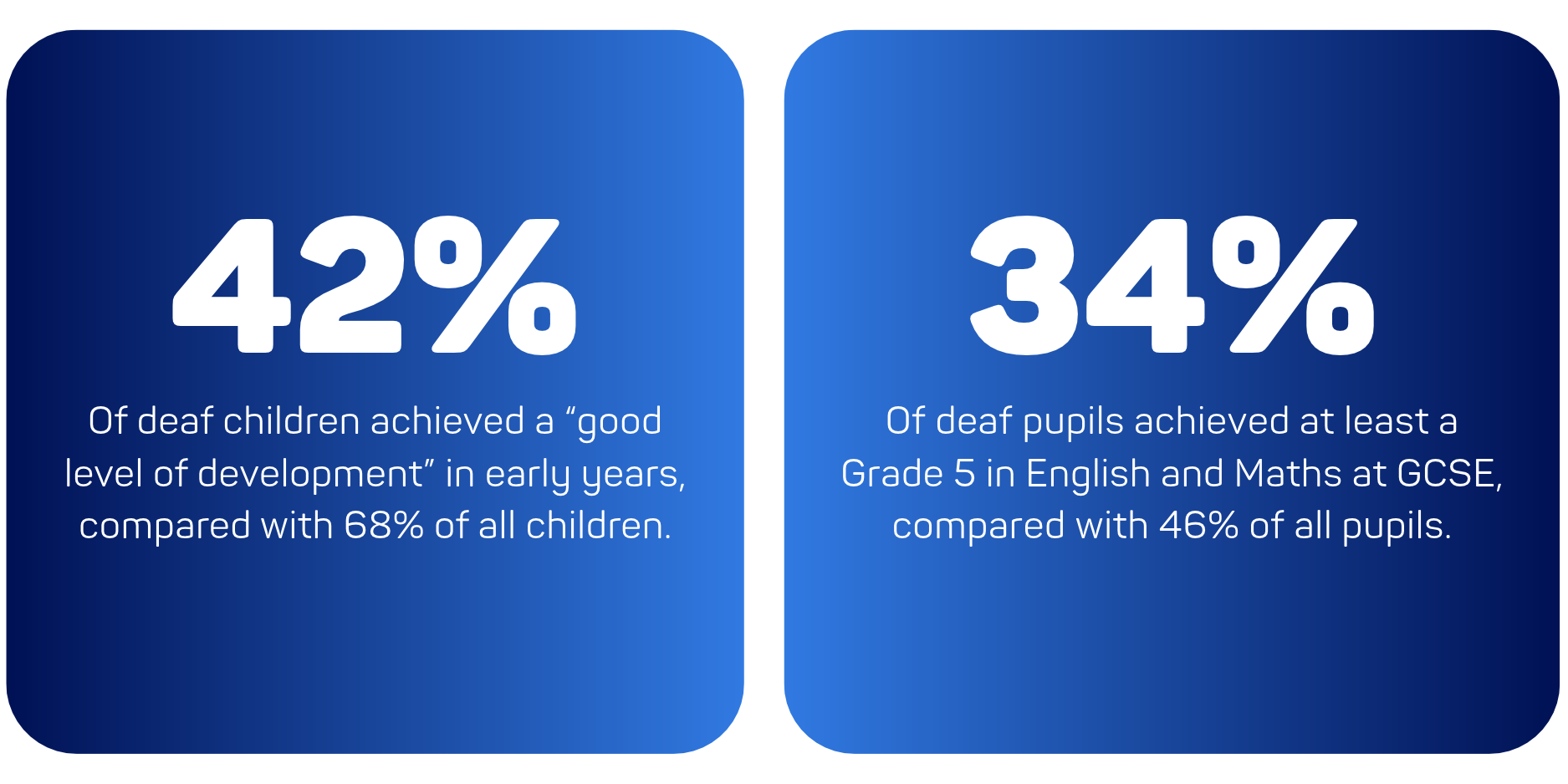
Deafness is not a learning disability. A learning disability is typically categorised based on how the brain receives, processes, stores, and responds to information. While deafness is not a learning disability, without the right support, gaps can open early and persist. For example, in England in 2024:
Every deaf pupil is different.
Hearing loss ranges from mild to profound and can affect one ear or both. According to NDCS, 25% of deaf children have mild hearing loss, and 23% have unilateral hearing loss. These pupils, through no fault of their own, can be easily overlooked, yet even mild deafness can have a significant impact on learning and well-being.
We know that most deaf pupils communicate through spoken language (89%), while others use British Sign Language, Irish Sign Language or a combination; and 1 in 4 deaf children have an additional need alongside their deafness, which is important context for SEND settings.
Temporary hearing loss matters too; 8 in 10 children experience glue ear before the age of 10, which can cause fluctuating hearing that's easy to mistake for inattention or disengagement.
Here are some signs a pupil may be struggling to hear:
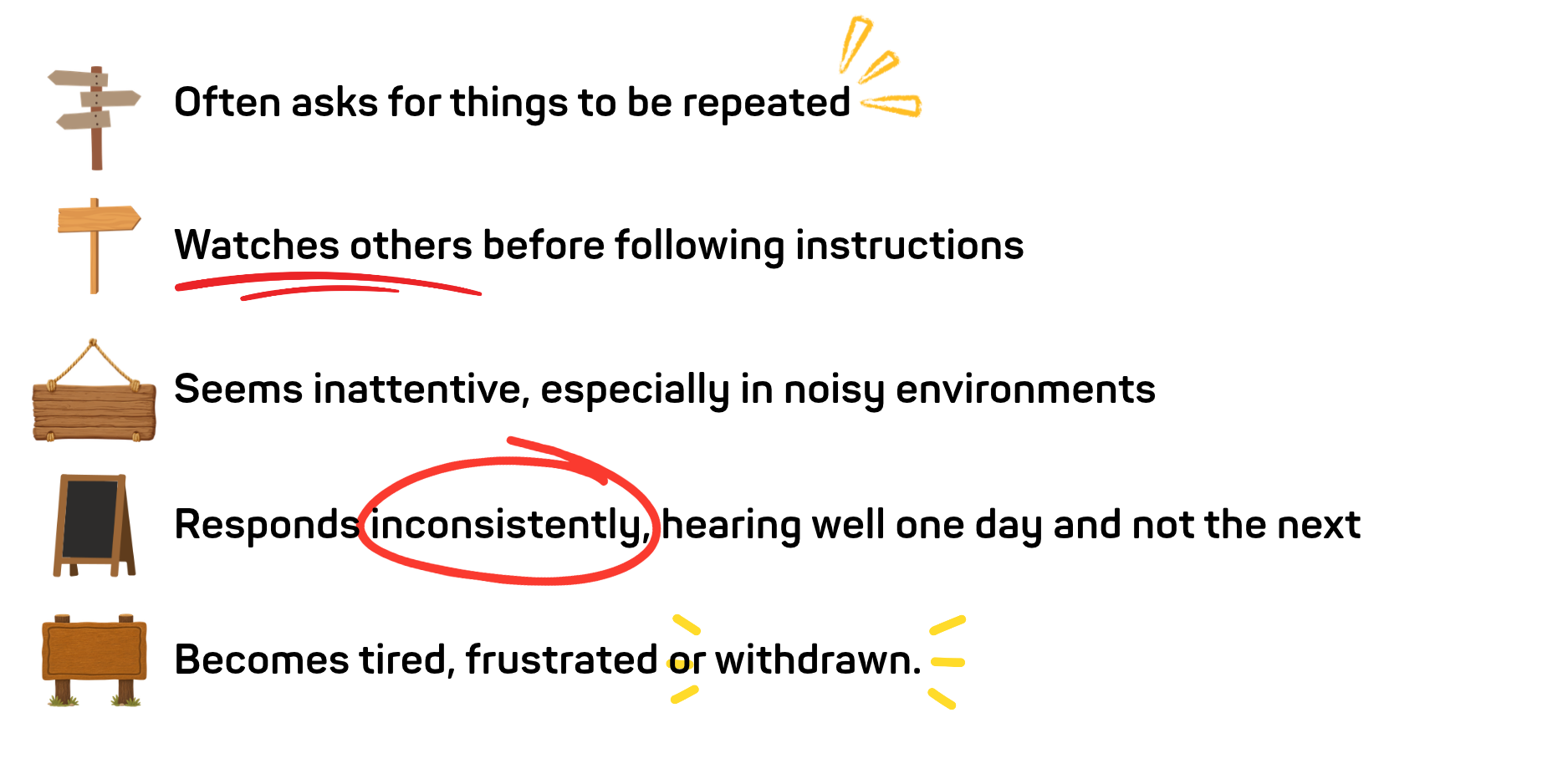
If your colleagues in the classroom notice these, encourage them to share their observations with you, an SENCo, or even the pupil's family.
Practical classroom strategies (for your classroom colleagues)


Working with specialists and families
Teachers of the Deaf (ToDs) provide specialist advice and support, but NDCS reports a 26% decline in qualified ToDs across the UK since 2011.
Of course, families of pupils (as a parent or grandparent, yourself) know what works best for your child, so involve as many staff members as possible in planning, reviewing, and updating support.
Small changes, big difference
Supporting deaf pupils rarely requires dramatic changes. Consistent, everyday adjustments by every staff member can have the greatest impact.
Resources
We have a bumper edition in terms of resources this week. We have created three resources for you to utilise:
1. A poster/desktop sheet reminder for your classroom colleagues:
Could this pupil be struggling to hear? Download
2. A poster/check sheet for your classrooms:
A daily hearing equipment checklist. Download
3. Should you have cover staff teaching in school, this resource could be crucial.
Quick guide for cover staff. Download