


When school feels too much: understanding, recognising and supporting pupils with school anxiety
School should feel safe, predictable, and manageable. For most pupils, most of the time, it does. But for a growing number of children and teenagers,
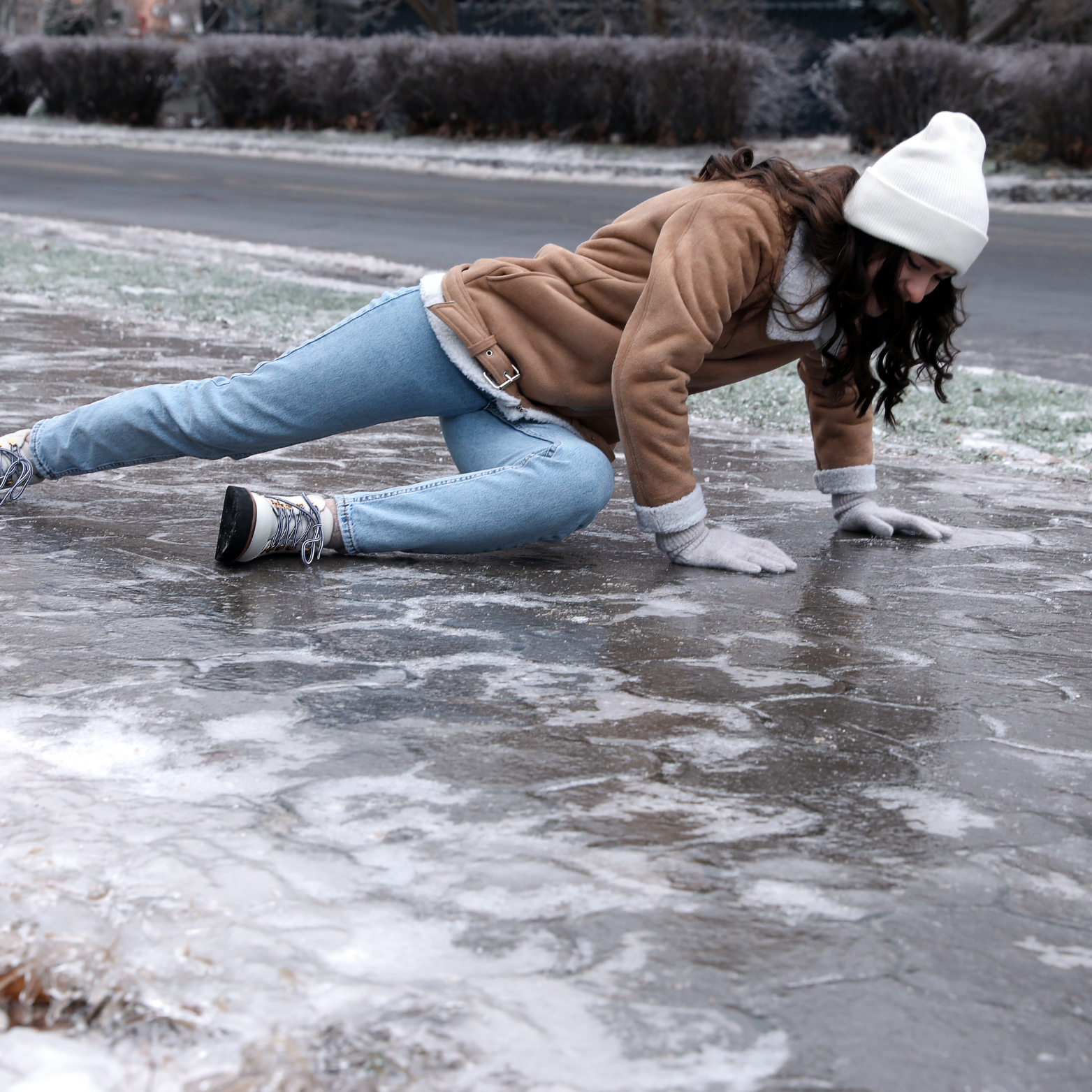

Okie dokie, slippy season - it's fast approaching! The good news is, we can soften the blow.
We've got our eyes on icy playgrounds, paths, and roads, as well as slippery corridors and classroom floors. Keeping everyone safe during this season is not an easy job.
So what can you do to make a difference, I hear you ask?
Well, with a few simple steps, you can reduce risks and keep your colleagues and students safer.
P.S. We appreciate that your estates teams, caretakers, or facilities teams will always be on red alert for these types of hazards. Our tips will be looking at initiatives through a healthcare lens.
If you're using paper accident books, Excel spreadsheets or information system modules, this may be a bit harder for you ‼️
If you're using something like Medical Tracker, this will be easier. Regardless, the sentiment remains the same ⬇️
Before the school gates open, a quick look at your top accident areas from the day/week/month prior will tell you a lot about where you might need to make safety improvements.
By adding a 5-minute takeover to your caretaker or site admin's routine, potential hazards will never get a chance to take hold and put people in accident territory.
.png?width=1200&height=300&name=EMAILWEB-FRIENDLY_IMAGE_DESIGNS%20(4).png)
Again, this is an awkward one for us as we are skirting close to something that your estates team/equivalent already does.
The difference is that you can arm them with data for specific areas around the school that are ticking time bombs. Have a look at what happened last year, and you'll be able to have a much clearer picture for this year.
.png?width=1200&height=300&name=EMAILWEB-FRIENDLY_IMAGE_DESIGNS%20(5).png)
Wet shoes, coats and umbrellas can quickly turn into slip zones.
Mats at every entrance will certainly help, but they must be large enough to soak up dozens and dozens of wet shoes.
Consider assigning some break rotas to include mat checks. A quick observation can have a drastic impact on reducing risk.
When we googled the best option, the mats on this link seem to be a good starting point.
Even reading this blog, you may be thinking, "Oh come on! Is this really worth offering tips".
We all know that these kinds of topics aren't always about procedures; they're about people.
Remind pupils about walking safely, holding handrails and reporting hazards. A brief staff meeting, a parent email, or an incentivisation program can reinforce the message.
Let's be honest, even with the best precautions, accidents happen. To some extent, accidents are good for us. They teach us the lessons that no warning or written word can. So, the next best alternative is to make sure every slip, trip or fall is logged; what, where and when.
Once you've logged enough, you'll be able to review this, identify patterns and support evidence-based improvements.
Do you remember a previous edition of The First-Aid Room on playground safety? Data was used to apply for funding to have a whole new playground renovation.
We're telling ya' there's power in the data 🤝
1. Winter Slips Safety Poster - A bright pupil-friendly poster to put near entrances, exits, corridors and areas you've identified as high-traffic accident hotspots.
2. Daily Site Inspection Checklist - A quick template for caretakers or site managers to record morning safety checks and keep evidence for compliance records.
P.S We've provided a pre-built and blank template. Enjoy!