



As the crisp mornings return and we all settle into routines, another inevitable part of the academic year looms: cold and flu season.
We know we are particularly vulnerable to seasonal illness outbreaks in the UK. Yes, it gets cold and wet, but shared recreational spaces, busy classrooms, and young immune systems create the perfect environment for spreading germs.
Below, we’ve outlined practical, actionable tips to support flu season preparedness, from improving hygiene to managing outbreaks.
Why does flu season seem to hit so hard?
Simply put, we're not that special. Infection spreads quickly when young people are in close contact — especially in primary and secondary environments where hand hygiene habits may not be A* yet.
According to the UK Health Security Agency (UKHSA), most flu-related school absences peak between late October and March.
What's the knock-on effect of this?
Well, it puts you under pressure, stalls academic progress, disrupts routines, and generally mars a day or week.
Top infection control measures
Is it as simple as washing your hands and covering your mouth when you cough?
1. Encourage seasonal vaccination
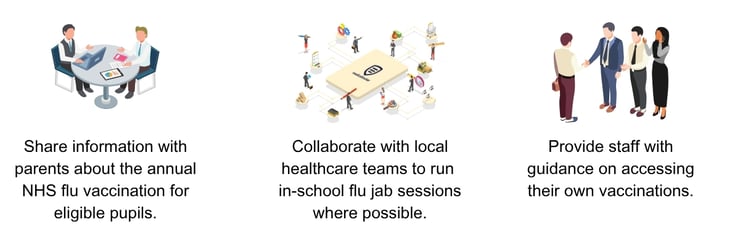
Certainly, vaccination rates have become a controversial topic following the pandemic, but increasing them would undoubtedly help.
At this moment, you're probably thinking this is a confrontation you wouldn't want to have with some parents. However, if you could have this conversation, here are our tips:
Promote good hygiene habits.
Staff are the first line of defence if classrooms are on the front line during flu season.
Make sure they're equipped to:
🤧 Can recognise early signs of flu vs. the common cold.
❌ Know when a child should be sent home or when to involve the school nurse.
🧳 Have access to PPE (especially in special schools or during outbreaks).
Consider using this download, which you can leave in the staff room or pigeon holes to spread the message.
You could even use this email template to send to them directly.
Clean areas more frequently
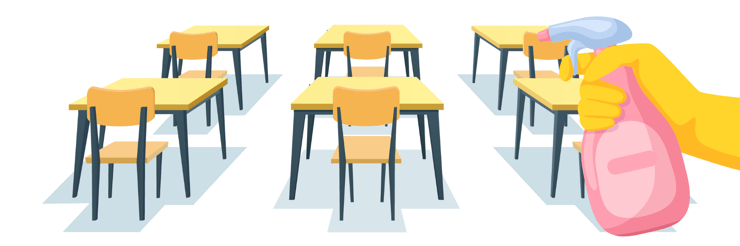
During peak flu season, high-touch surfaces (door handles, desks, lunch trays) should be sanitised multiple times daily.
While school staff don't have time for this during the day, you can always use your students' help. Perhaps placing cloths and disinfectant spray on desks or at the entrance/exit to halls with incentives would ease the burden here.
Perhaps you incentivise using house points, lunchtime queue jumping, or homework extensions. Whatever it may be, by giving a tedious task a competitive edge, we could have a mobilised student body, making your classrooms a safer place.
Communicate with parents
This is most likely one you have already done. Whether it's a weekly newsletter, one-to-one emails or a termly/monthly newsblast, it's the best way to go about it in our opinion.
If you don't do this, or fancy a different outlook for a fresh approach, what about:
1️⃣ Pre-winter flu advice with symptoms, school absence rules, and NHS guidance.
🔗 Here's a link to find these.
2️⃣ A reminder to keep unwell children at home until fever-free for 24 hours.
3️⃣ Links to reliable resources (NHS, UKHSA) in school newsletters or emails.
🔗 Here are some links for these, too.
🟢 Proactivity > Reactivity
If you can plan and implement some proactive strategies, then you can look to track health trends. Regardless of whether you use Medical Tracker, your MIS or paper accident books, why not look back at entries during the peak months to give you a rough idea of how flu season impacts your school.
The First-Aid Room Issue 23 mantra: Preparation is Protection.
Got a question or comment? Leave it below