



The end of the autumn term. Once the doors close for the holidays, you are given something rare: time.
The break between terms is the ideal moment to review your health data and spot patterns that can help you prepare more confidently for the spring term.
(P.S. In no way do I think this upcoming break between terms should be used for much more than mince pies, inordinate amounts of Hero chocolates and time with family BUT for medical teams, it can be a helpful time.
A thoughtful school term data review doesn’t just support compliance, it helps your school act proactively to protect pupil wellbeing and reduce pressure on staff.
Here’s where we would focus attention.
1. Accident and injury trends
So, I'm going to guess that you may have used these final weeks of term to review your accident and injury records.
Key questions to ask:
❓ Are specific injuries happening repeatedly (e.g. head bumps, playground falls, sports injuries)?
❓Do incidents cluster around specific times of day, lessons or locations?
❓Are particular year groups more affected than others?
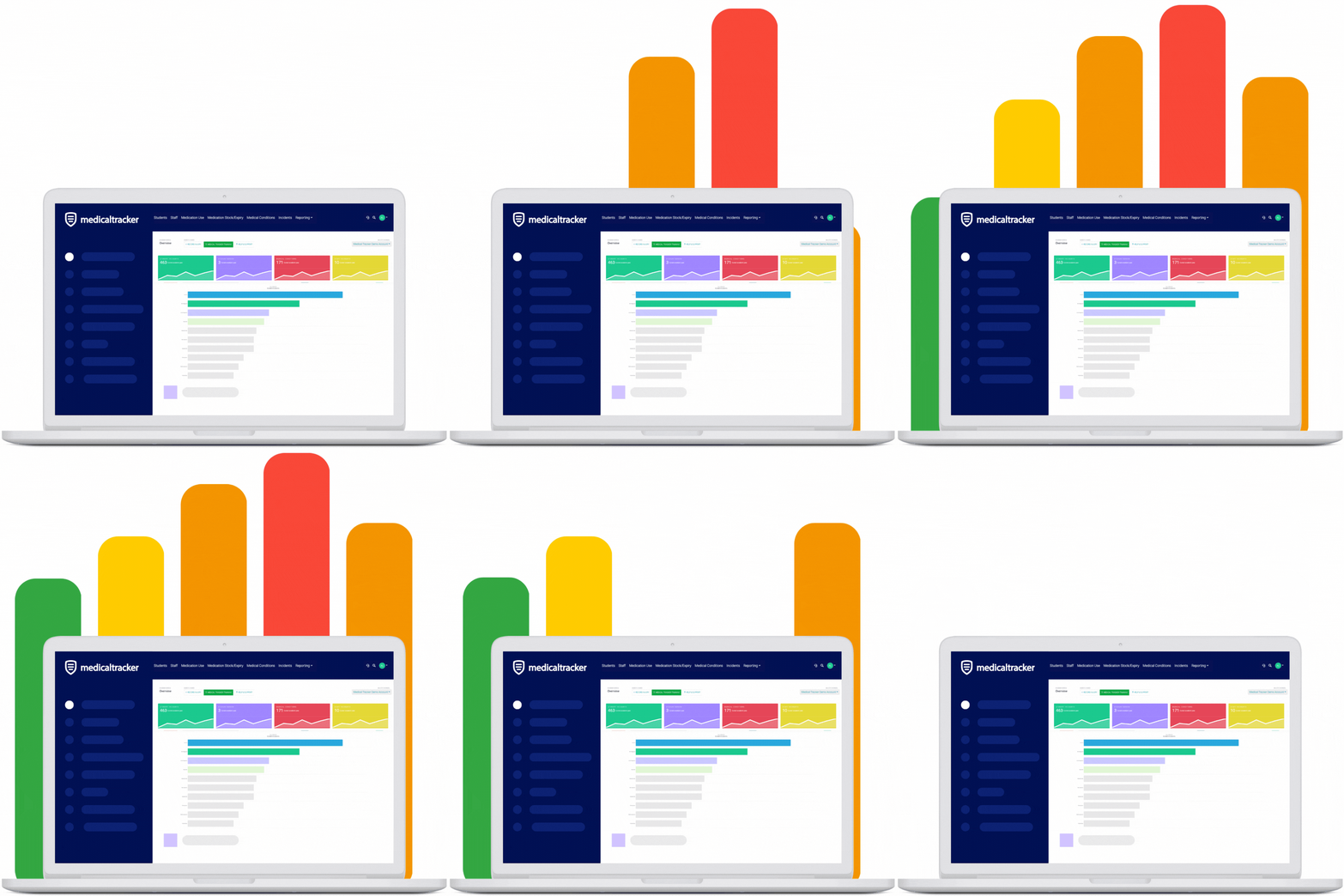
Using school health reports or visual summaries makes it easier to identify problem areas that may require adjustments, such as improved supervision, timetable adjustments, or environmental changes.
Example
Two notable standout schools have used Medical Tracker as part of this review to significant effect.
Edward Wilson Primary School [READ].
School Business Manager Carol used dashboards to highlight a previously hidden health condition and work with the child's parents to pursue additional medical support.
2. Illness and symptom patterns
Winter often brings an increase in illness, but reviewing your data can reveal valuable insights. Look for:
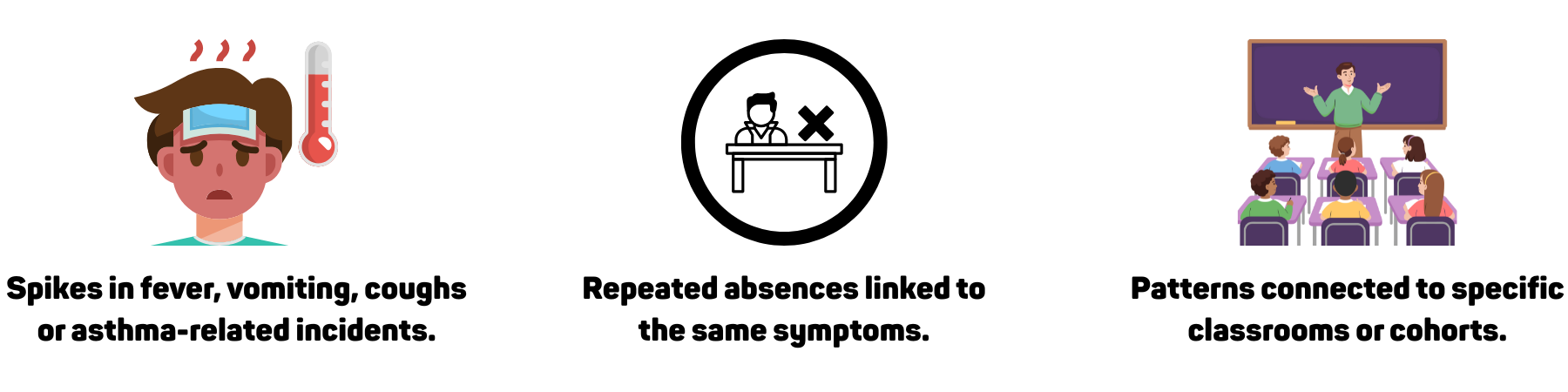
This information can help inform infection control planning, cleaning schedules, ventilation improvements, and early communication with parents when bugs begin to circulate again.
3. Medication usage and expiry
The holiday break is an ideal time to review medication records. Perhaps check:
💭 Which medications were used most frequently?
💭 Any missing consent forms or incomplete care plans?
💭 Medications approaching expiry dates.
💭 Pupils who required repeated interventions.
Reviewing this data ensures you start the spring term with fully compliant records and fewer last-minute scrambles when pupils return.
4. Ongoing medical needs
Use your data to reflect on how well pupils with ongoing medical conditions were supported during the autumn term. Consider:
➡️ Were Individual Healthcare Plans updated and followed consistently?
➡️ Did staff feel confident responding to incidents?
➡️ Were there repeated issues linked to asthma, diabetes, allergies or seizures?
These insights can inform refresher training, updated care plans, or additional staff support in the spring term.
5. Safeguarding and wellbeing indicators
Health data often supports wider safeguarding and pastoral conversations. Review:
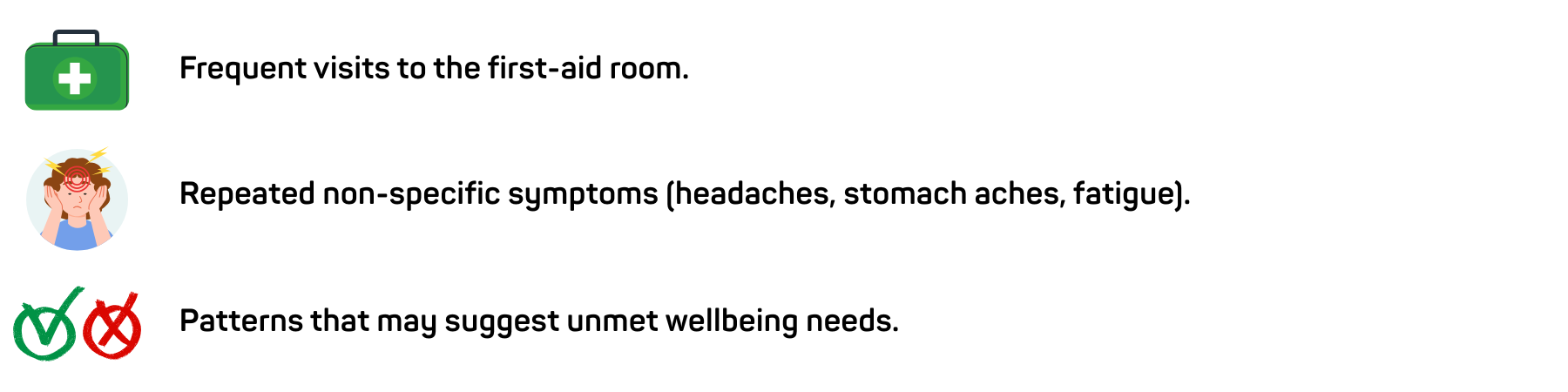
Logged correctly, this information strengthens multi-agency discussions and ensures concerns don’t slip through the cracks.
6. Make the most of your dashboards
If your school uses Medical Tracker dashboards, the holiday break is an ideal opportunity to explore them thoroughly. Dashboards transform raw data into clear, visual insights, enabling staff to spot trends, generate reports quickly, and share findings with senior leaders.
Instead of starting the spring term reactively, dashboards allow schools to begin informed and prepared.
Remember, a series of webinars in January will walk you through these dashboards. Megan and Aaran run these and provide a great, quick tour to significantly upskill yourself and/or your colleagues. To access these, log in to your dashboard and click the green button entitled 'Medical Tracker training'.
Starting the spring term with confidence
A well-timed review of school term data gives you clarity. It highlights what worked well, identifies areas of pressure, and suggests small changes that could make a significant difference in the months ahead.
By using your health data thoughtfully, and giving yourself space to reflect, you’re setting your school up for a safer, calmer and more proactive spring term.